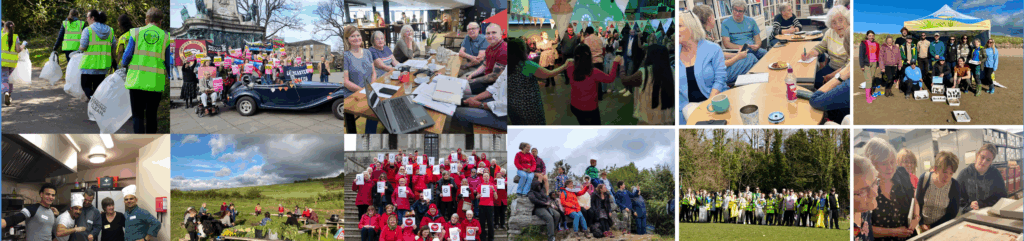
ABOUT US
Global Link’s vision is to work towards building:
Reflective, caring and cohesive communities
in a just and sustainable world
A series of core values underpin how we organise and work:
- We celebrate and embrace diversity and difference.
- We work to build communities that are welcoming and open.
- We listen to people with respect and empathy.
- We respond to individual and community needs by being flexible and adaptive.
- We show kindness in how we work
- We demonstrate respect for people and the environment
- We have an open mind and show empathy
- We stand for peace, social justice, human rights and sustainability.
Global Link was established in 1993 as a development education centre (and member of the Consortium of DECs) and as such we use creative and participatory learning experiences to increase awareness of the global dimension and encourage action towards a fairer and more sustainable world.
Global Link is a registered charity (1107471) and a company limited by guarantee (05143051). Our registered aims are:
1). To advance the education of the general public (chiefly in Lancashire) in global and local issues, in particular but not exclusively with regard to trade and economics, citizenship and human rights, the environment and sustainable and cultural development.
2). To advance the promotion of citizenship and community cohesion amongst resettlement and local populations in Lancashire.
3) To relieve financial hardship and promote social inclusion amongst those seeking asylum and those granted refugee status particularly by assisting with the resettlement in Lancaster of such persons by providing information, grants, advice and onwards referral.
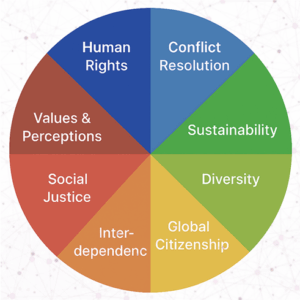
Our education work focused on global interdependence, sustainable development and conflict resolution. The designation of Lancaster as an asylum seeker and then a refugee resettlement dispersal area radically changed Global Link as we had to respond to the urgent needs of refugee and asylum seekers arriving in Lancaster who needed support services. This has led to Global Link developing a key role in building community cohesion and supporting refugees and asylum seekers settling here.
Global Link now has three main work strands:
Global Education – We run workshops, exhibitions, training and other events in schools, colleges and the wider community on global citizenship issues such as diversity, human rights, migration, fairtrade, climate change and sustainable development.
Community Heritage – Since 2007 with the first Lancaster Slave Trade Town Trail Global Link has run a series of ground-breaking projects to document history that is often ignored. Projects have included the history of dissent and migration stories – recording people’s experience of migration
Refugee and Asylum seeker support- We provide a range of support services and integration activities for refugees and asylum seekers.
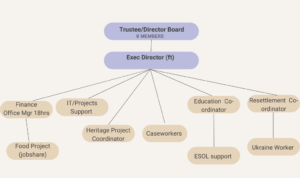
We are both a charity and a company limited by guarantee and this is our current structure:
Our work would not be possible without the invaluable contributions of approximately 20 volunteers at any one time, mostly refugees and asylum seekers.
——————————————————————————————————————-
Global Learning or Development Education enables people to understand the links between their own lives and those of people throughout the world. Development Education increases understanding of the economic, social, political and environmental forces which shape our lives. Development Education develops the skills, attitudes and values which enable people to work together to work towards achieving a more just and sustainable world in which power and resources are more equitably shared.